-
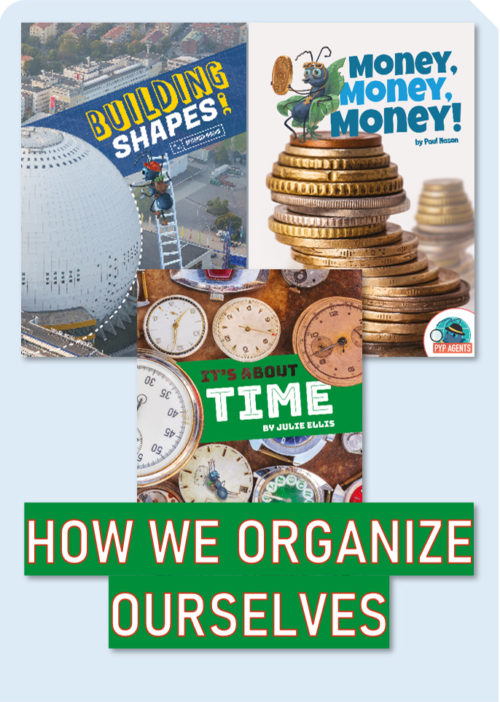 Three books that support student inquiry into the interconnectedness of human-made systems and communities; the structure and function of organizations; societal decision-making; economic activities and their impact on humankind and the environment. Building Shapes: What would it be like to work inside a circle? How about watching a movie inside a pyramid, or playing hockey inside a sphere? You’ll be amazed at the shapes of some buildings around the world! [Read more...] Money, Money, Money: How many chickens is one cow worth? What is the heaviest coin ever made? And how old is the oldest money? This book is really worth a read! [Read more...] It’s About Time: We count it, we save it, we use it, and we waste it. What is it? Time! Where does it come from though? Well, it’s about time you found out! [Read more...]
 -
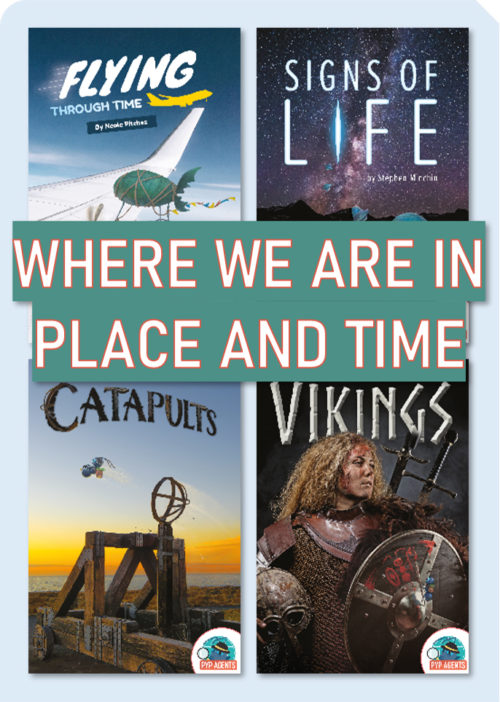 Four books that support student inquiry into the orientation in place and time; discoveries; the relationships between and the interconnectedness of individual and civilizations, from local and global perspectives. Flying Through Time: Flying today is very safe, but it hasn’t always been. Did you hear about the man who glued feathers to himself and tried to fly? How about the cat that flew a glider? You’ll be surprised at what you find when you’re flying through time. [Read more...] Signs of Life: Did aliens build canals on Mars? Does one of Jupiter’s moons really have an ocean filled with life? Over time, scientists have looked at and listened to deep space. They have been trying to answer the question: Are we alone in the universe? [Read more...] Catapults: Once upon a time, the sight of a catapult struck terror in the hearts of many people. But what exactly is a catapult? How does a catapult work? And what has happened to these once mighty weapons? [Read more...] Vikings: Imagine a Viking. What do you see? A big, bearded, scary warrior with a horned helmet? If so, this book is sure to change your view. Prepare to meet the real Vikings! [Read more...]
 -
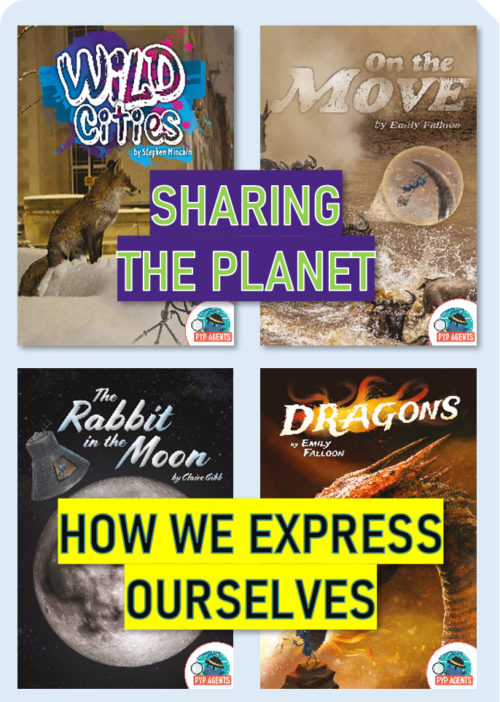 Four books that support student inquiry into:
- rights and responsibilities in the struggle to share finite resources with other people and with other living things; communities and the relationships within and between them; access to equal opportunities; peace and conflict resolution.
- the ways in which we discover and express ideas, feelings, nature, culture, beliefs and values; the ways in which we reflect on, extend and enjoy our creativity; our appreciation of the aesthetic.
-
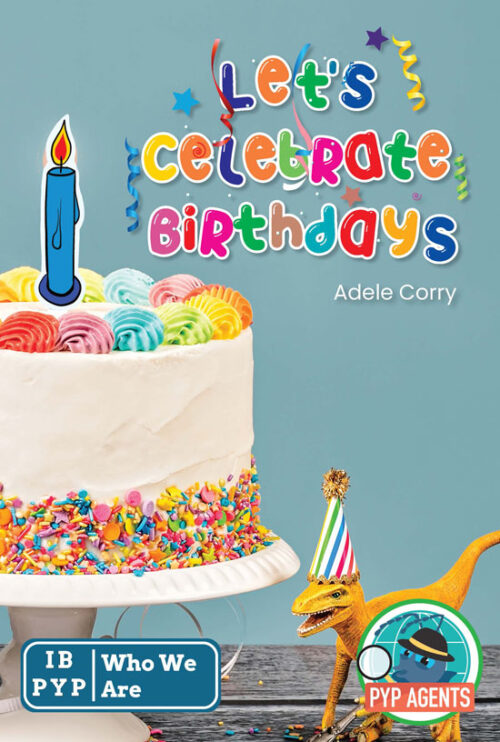 Where do people have their ear pulled on their birthday? Which country celebrates everyone’s birthday on the same day? And what do different birthday sweets look like around the world?
 -
 What does it feel like when you are happy? What does it feel like when you are sad? Can you feel two emotions at the same time? This book is all about our amazing feelings!
 -
 Your brain looks like a pinkish-grey walnut, but it is really a supercomputer! Find out how it works to control your body and make you into who you are.
 -
 Our teeth help us to eat, smile and even talk. Read this book to find out how they work, what had the sharpest teeth and why some people put teeth under their pillow at night!
 -
 There are 7,000 spoken languages today, so how do we communicate internationally? Do you know how to talk without saying a word? And where did the first words come from anyway?
 -
 We know that we should eat well, keep fit and care for our emotions. But why is that so important? And what else can we do to keep healthy and happy?
 -
 What happens when we eat something? Come on a fascinating journey through the digestive system – starting from the moment your food is in the mouth!
 -
 Maps are not only on paper. The first ones were drawn on cave walls and now we can get the whole world on a phone screen. How much do you know about maps?
 -
 Have you ever wanted to go somewhere new? What about somewhere that no one else has ever been before? Read about the men and women who braved sea, snow and space.
 -
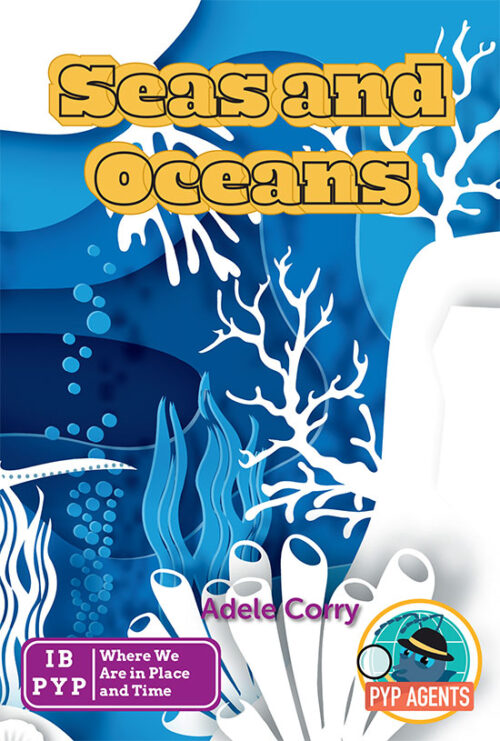 Have you ever noticed how salty the sea is? It has enough salt to cover the whole Earth! Dive into more fascinating facts about the ocean.
 -
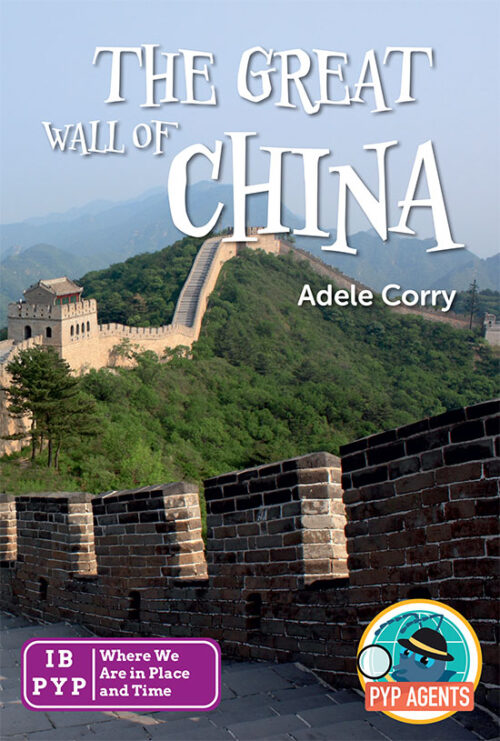 Parts of the gigantic Great Wall of China are 2,500 years old. But who built it? And what was it for? Can you really see it from space? Read all about this Wonder of the World!
 -
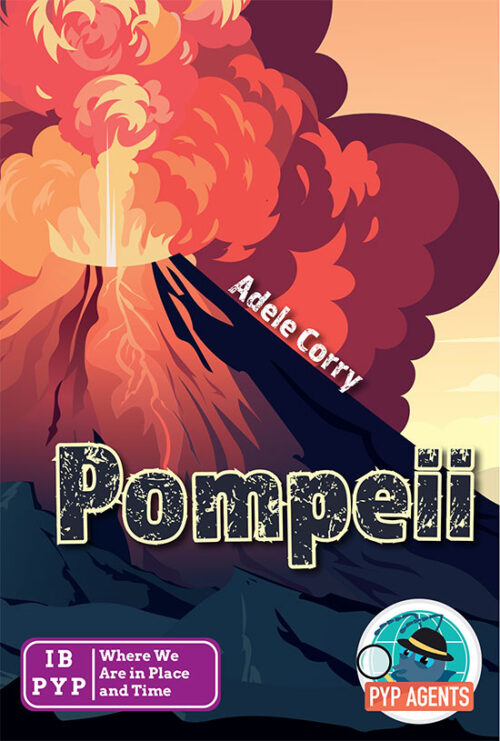 The Roman city of Pompeii was buried by a volcanic eruption nearly 2,000 years ago. Discover the lives of the people there, what happened to them, and how we found their secrets.
 -
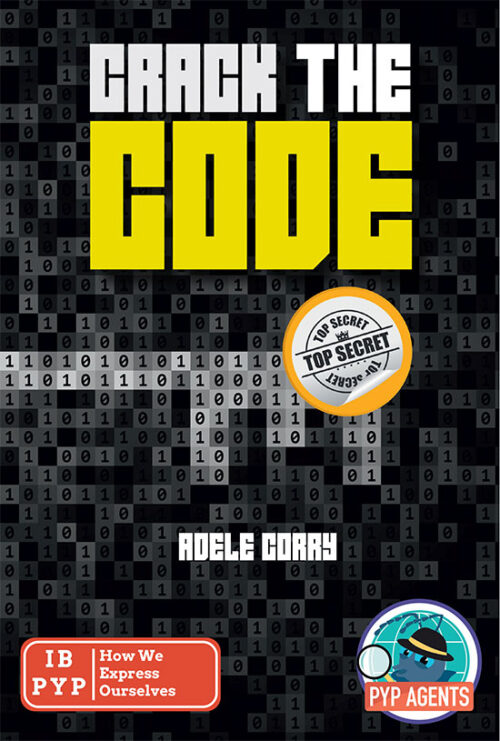 There are lots of ways to send messages. They could be things we want to keep secret, to places very far away or even to communicate with robots! Read this book to crack the code.
 -
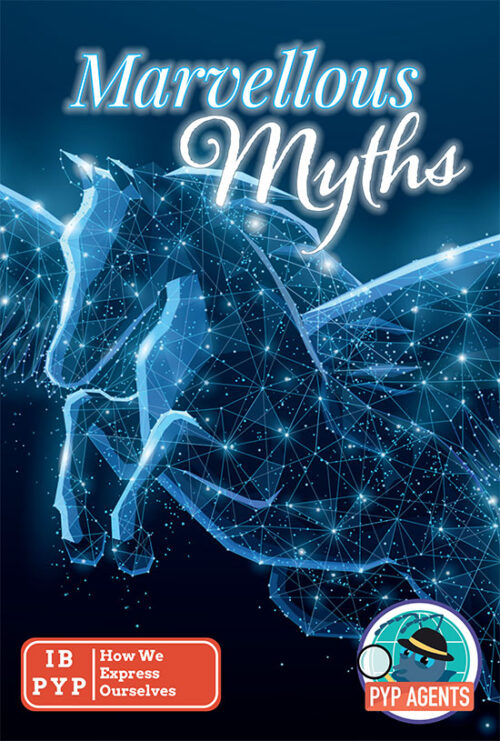 Long ago, people created stories to understand the world. These stories had heroes, monsters and strange places, like a man who is half spider, a woman with snakes for hair and a lost city made of gold. Which myths do you know?
 -
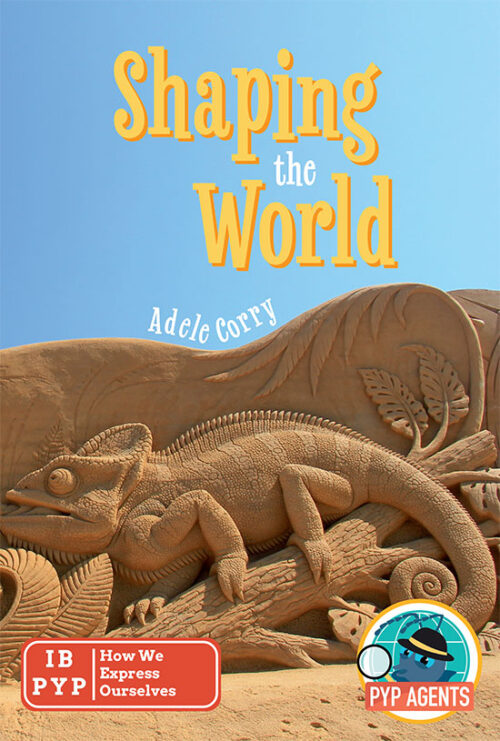 You can make sculptures out of almost anything. There are the Ancient Greek statues made of marble and bronze, the Chinese emperor’s army of terracotta soldiers, and even sculptures made out of chocolate!
 -
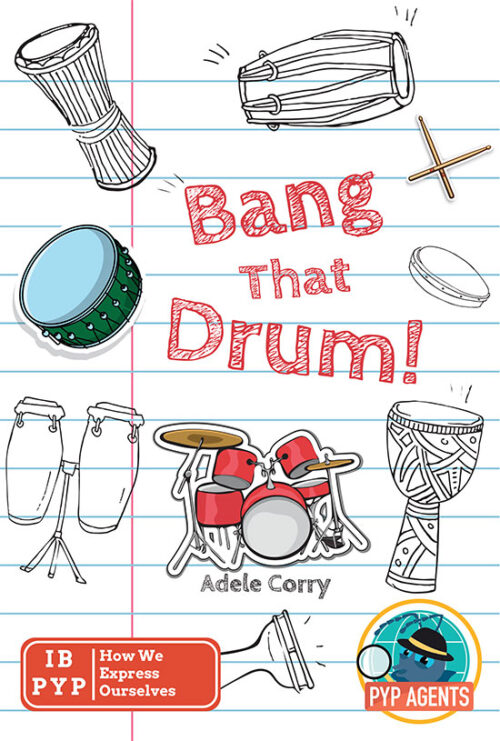 The first drum was invented thousands of years ago. They have been part of our culture ever since to express how we feel and make music. But did you know they are also used in the military and can send messages?
 -
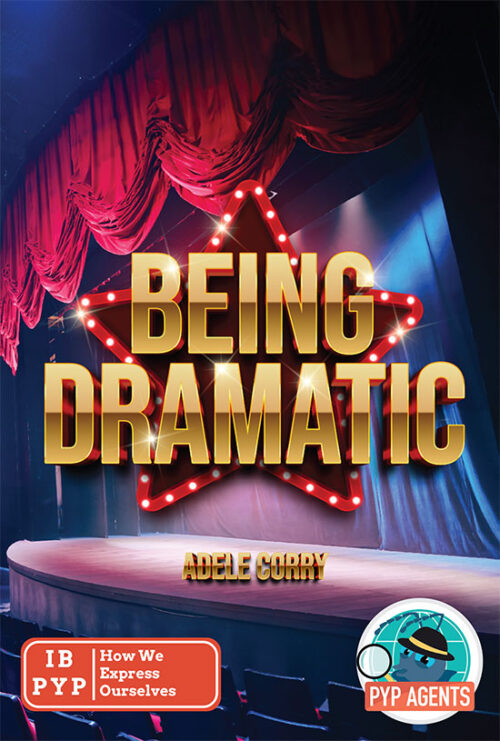 We use stage performances to bring stories to life. Do you know how to read a script, what the word ‘eyeball’ has to do with plays or who can act without saying a word? Break a leg and find out!
 -
 Can you find magnets in the ground? Does anything grow in a magnetic field? And how do you make a magnet at home? Find out the answers, discover how magnets are made and get pulled in to the fascinating world of magnets!
 -
 Everything in the world is made of stuff called matter. This means all living things, non-living things and even you are made of it. Find out what matter is and why it matters!
 -
 Have you heard the saying, ‘What goes up, must come down’? Let’s look at the invisible force of gravity and how our lives wouldn’t be the same without it.
 -
 Have you ever spotted a seed with legs? Of course not! But they still must travel away from their parent plant. Discover the clever ways that seeds glide, ride, float and even explode to travel far and wide.

